Alternate title: “MONA!? I hardly knew her!”
Something is only truly beautiful if it makes you feel lonely. Sitting outside the MONA cafe, looking out over the working class-suburbs of Hobart from across the Derwent River, I had that feeling I felt from the season finale of BBC’s Flowers, or the Transformers ride at Universal Studio’s, the deeply human need to share experiences. I hadn’t even submerged into the subterranean depths of the MONA collection, but already I was effected by the magnitude of the place.
MONA is the Museum of Old and New Art. It’s basically the Batcave, if instead of gadgets the Batcave was filled with art, and instead of Bruce Wayne, it was built by professional gambler David Walsh, and if instead of being killed by a Gotham mugger, Walsh’s parents were killed in such a way that inspired him to accumulate massive amounts of wealth, dig an enormous series of tunnels through Hobartian triassic sandstorm, and create an Art-Maze, unlike anything else in the world, in an abstract and brutal style focusing on explicit lighting and unconventional freedoms (the metaphor falls apart a bit there).
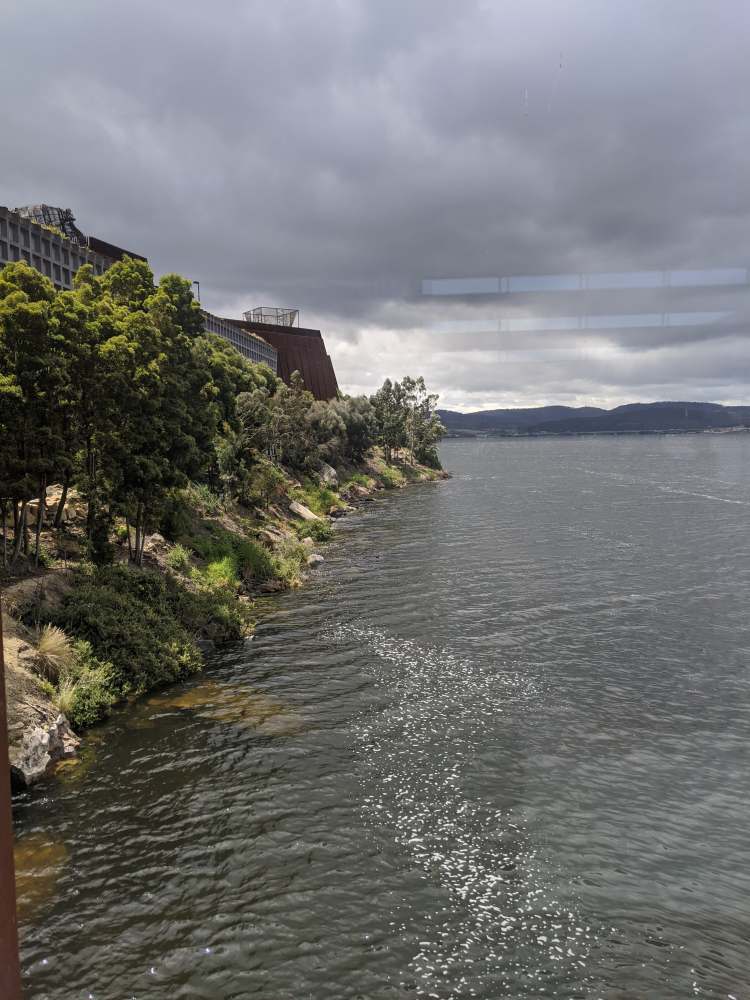
I am not an art critic and I’m not going to pretend to be one (unlike being a travel writer, which I am perfectly comfortable pretending to be). My highest qualification would be the occasional incorrect usage of the term post-modern. My approach to art is non-conventional and has been criticised; while the traditional, effective, and correct approach is to stand and observe, internalize, and deconstruct each individual art piece, I like to walk (or if allowed, run) passed as many pieces as possible, seeing how quickly I can absorb as much art as possible.
Regardless, if I had to describe MONA in just one sentence, it would be:
“It is not an art gallery, it is a museum, much like a history museum, except it is the museum of the future”
If you asked me to expand on that, I could not.
In one darkened room, I was surrounded by computer monitors typing out paragraphed gibberish, whilst speaking this gibberish, with high frequency ringing and flashing lights dispersed throughout at random intervals. This art disturbed me.
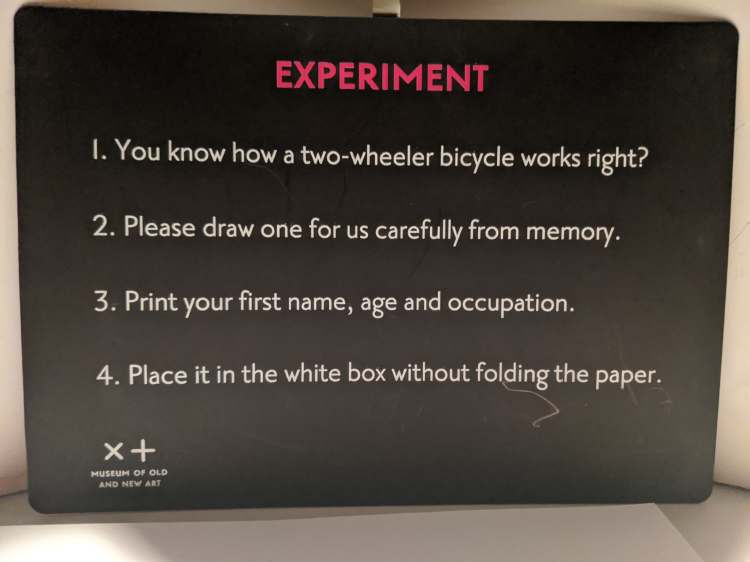
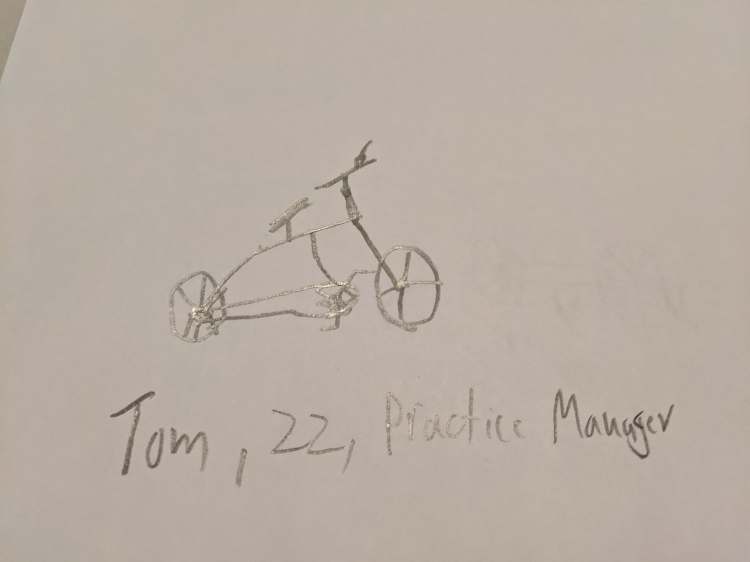
In another room, I was challenged to draw a bicycle from memory. I was then shown other peoples drawings, and real bicycles made following these laymen’s blueprints. This art mocked me.
Each attendee is give an “O” Device, a custom iPod which uses internal geolocation to provide information about each piece, disregarding the need for traditional text on walls, and providing more freedom in terms of the tactical deployment of light and also non-conventional navigation.
The “O” Device also employs a “Gonzo” feature. Gonzo is a journalistic style invented by Hunter S. Thompson (in this context referring to Walsh’s approachable personal thoughts of pieces. This is in contrast to the genuine analysis of the pieces, which the device labels “Art Wank”). Thompson wrote Fearing and Loathing in Las Vegas, which is where I got the name for this blog from. So that just ties everything together really nicely! Thanks David!
Very few museums do as fine a job at hiding their art as MONA. This maze-quality; seemingly shifting staircases, pitch black hallways, minimal signage, invokes a sense of adventure, like each piece viewed is an accomplishment. Perhaps, it’s a deliberate decision in order to transcend the traditional linear narratives that define aspects of the Western art world (okay, so I am crushing this art critique thing).
Further, exposed sandstone and concrete give each piece a heightened sense of fragility, the endearingly petite surrounded by, buried even, by the crushing and impersonal corporate. (I am crushing this art critique thing!)
The seemingly invariable yet eclectic nature of the pieces, mirror the randomness of reality, and further, provide jarring juxtapositions. It is as if a history of art has cumulated in this building, that the relationships between the exhibits, and the halls that hold them, are in of itself the art (I. AM. CRUSHING. THIS. ART. CRITIQUE. THING.)
Genuinely, MONA is really the ultimate mark of decadent wealth, but consider how much decadent wealth has left no mark, and you at very least gain respect for David Walsh’s vision. Admittance is free with proof of Tasmanian residency, and it’s easy to imagine the museum as the perfect date for Hobart high-schoolers. It’s much more difficult to imagine MONA as anything besides the pièce de résistance of Tasmanian’s travel industry.
If I could say only one more thing about MONA, it would probably be that it’s considerably better, in it’s mass-millions spent exacting a unique personable vision, than the Hobart Maritime Museum 20 minutes up the road, which I would recommend only if you hate whales.
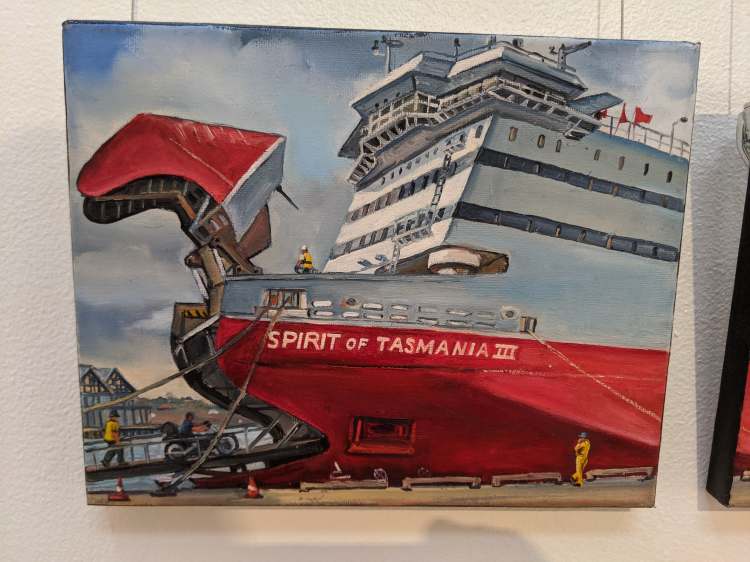
There are few things I hate more than the obligation associated with travel – the places that have to be seen to justify the airfares. My cabin for the night was only 20 minutes North from Port Arthur, a historically significant something, but content that I’d survived the coastal winds trying to push me off the road all afternoon as I rode from Hobart south, I decided I’d spend the evening inside.
My AirBnB came equipped with Cluedo & Battleships, presumably to emphasize how alone I was, as well as a copy of Rachael Treasure’s Don’t Fence Me In: Grassroots Wisdom From a Country Girl.
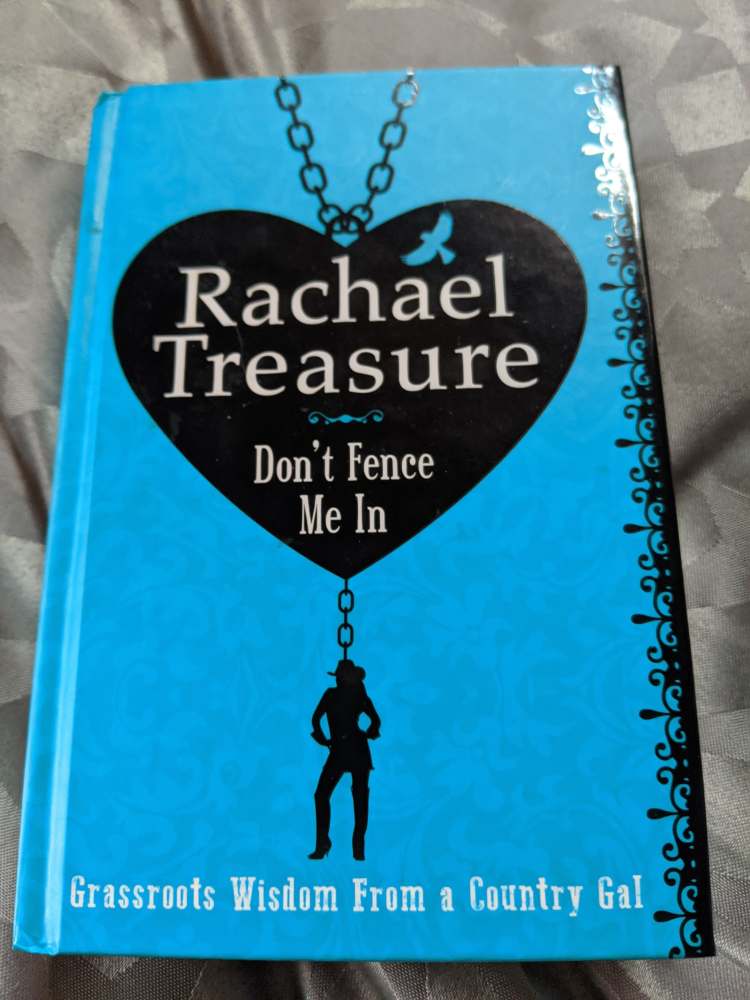
After a few very, very quick games of Cluedo, I decided I’d spend some time on the beach, probably mocking Rachael Treasure’s Don’t Fence Me In.
Maybe it was the heatstroke, or maybe all the folk music I’d be listening too, but I was struggling to be too critical of Miss Treasure. I was starting to think that maybe a motorcycle wasn’t the best way to travel. That there was no point in all this gorgeous countryside, and coastal views, if I couldn’t show it to someone else. It was a feeling I’d had last night in Roseberry, it was the feeling I had in MONA, and it was a feeling I had sitting on the beach in Port Arthur. I was feeling lonely.
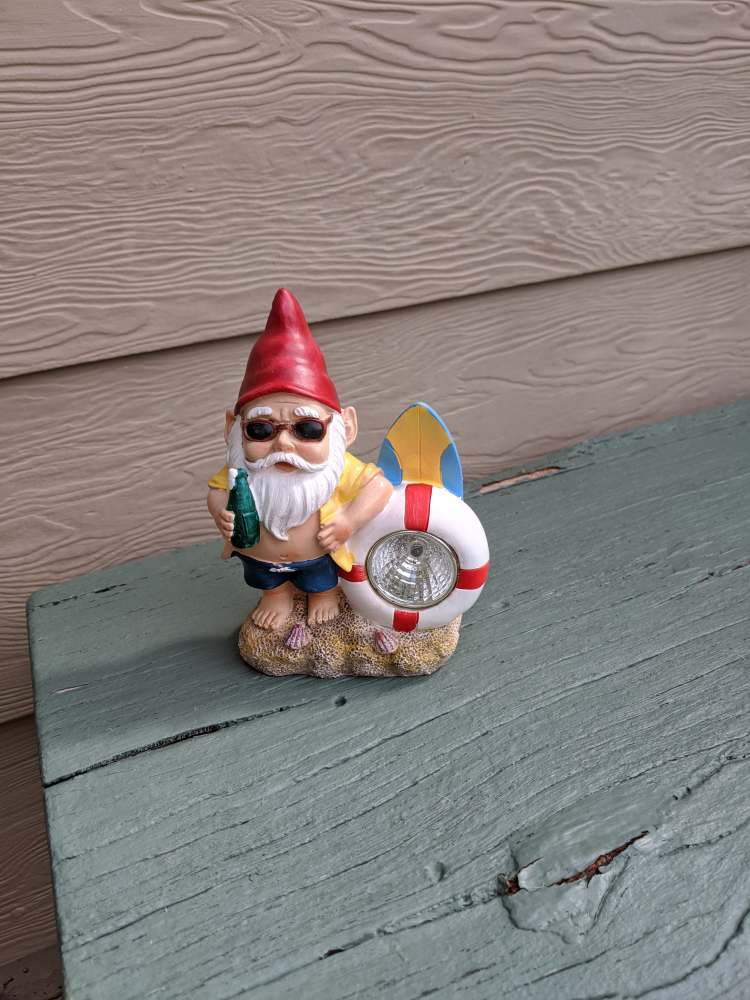
Bazzle the Echidna from yesterday told me that travelling is only worth as much as you learn. Despite my pride in my resentment of dependency on other people, what was ostensibly only a long weekend without constant Facebook access, had left me feeling a way I didn’t enjoy, and hadn’t felt for a longtime. There had been no shortage of enigmatic espresso makers, or hospitable hikers, but it was hard to push passed my physical isolation. I spent the evening reading the guest book for some sort of human insight, and connection. Which let’s be honest; super tragic.
Here are some of my favourite extracts from Rachael Treasure’s Don’t Fence Me In.

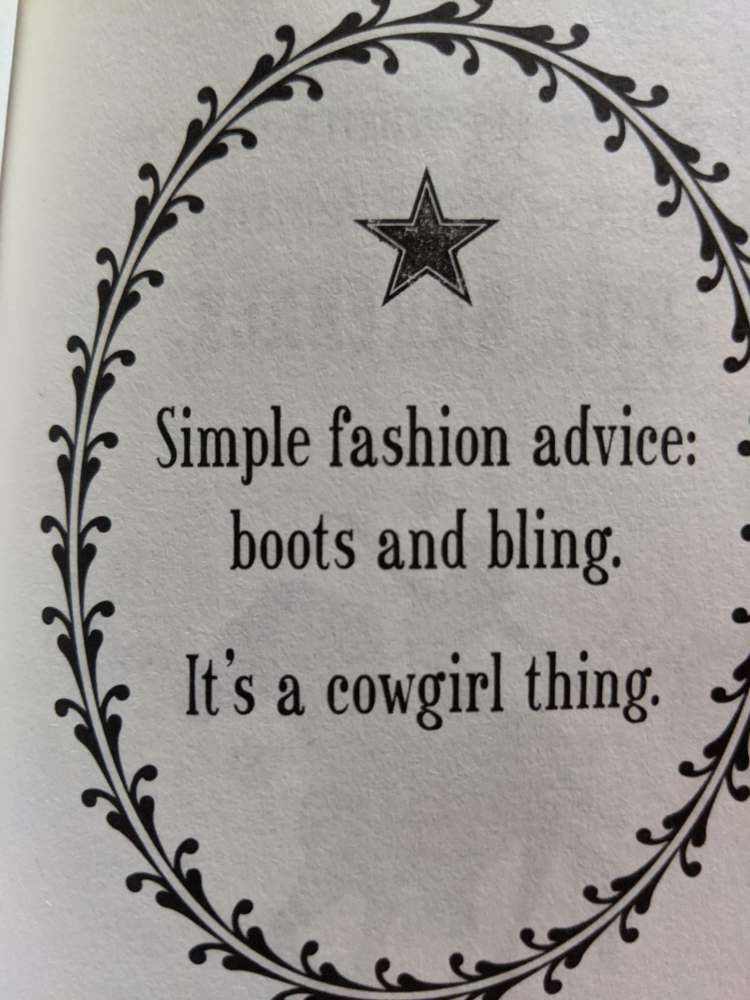
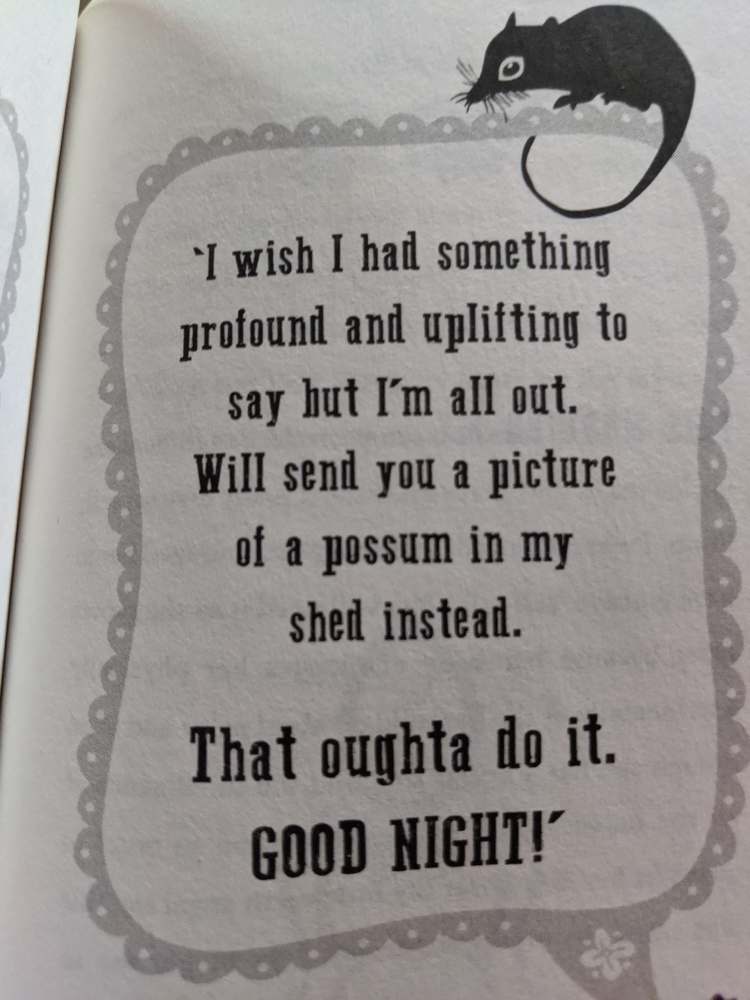
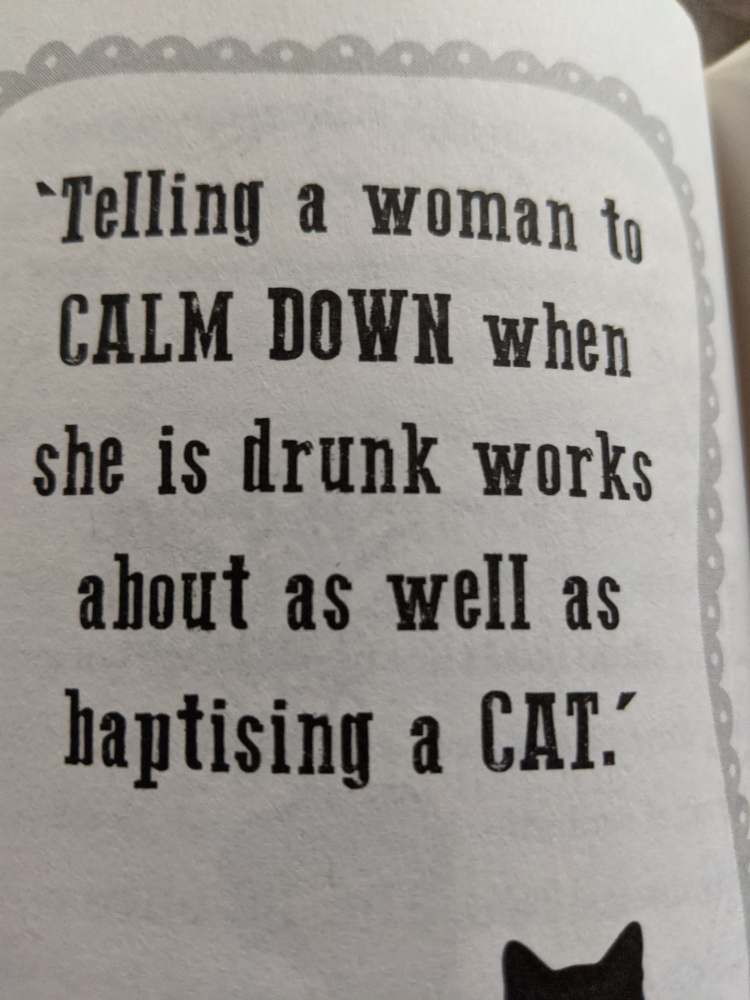
(I read through the entire book to find some funny ones, but for the most part it’s genuinely good advice. I’d really recommend the book if you ever see a copy.)
 Fear And Loathing In Launceston